Where live games go next
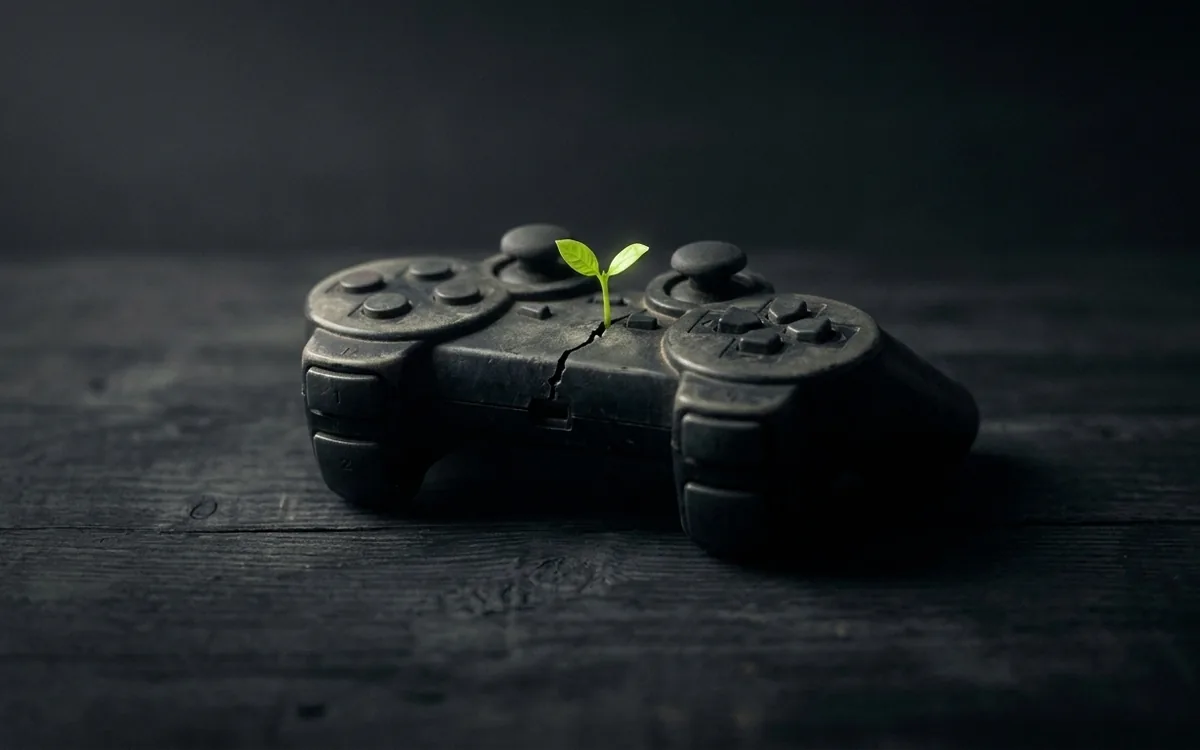
Some of the biggest games of the next decade are already live. Most launched years ago, and some are past their tenth birthday. I have led two of them: Clash of Clans at Supercell, and Farm Heroes Saga at King.
Publishers and investors now buy live games and the studios behind them, but most price them on the last three years of revenue and ignore the next ten. That leaves the most valuable part of a long‑lived game out of the price.
What I price
A game that has kept millions of players for ten years has already proved the hardest thing in this business. I price it on two numbers: the share of players still active three years after they joined, and the share of players who return after a year away. Both move slowly and both compound. When both hold, the standard decline curve overstates the drop, and the price should say so.
One clock, one hurdle
Most boards fund live games a year at a time and new games over several. I would put both on the same clock and the same hurdle. New money goes to a new game only when it beats what the same money earns in a proven one, and the board checks that every year.
The asset that takes years to earn
As AI makes games cheaper to build, more of them bid for the same players, and each new player costs more to win. A player who returns after years away is worth what it would cost to win a new one. That is where a long‑lived game’s valuation should start.
The second decade
Farm Heroes Saga was in its seventh year when I took it on, and at GDC 2024 I set out how a game that age grows again. My bet: by 2031, more than half of the twenty highest-grossing mobile games will be over ten years old.
More on my career and ideas. Write to me at hello@sabrinacarmona.com.